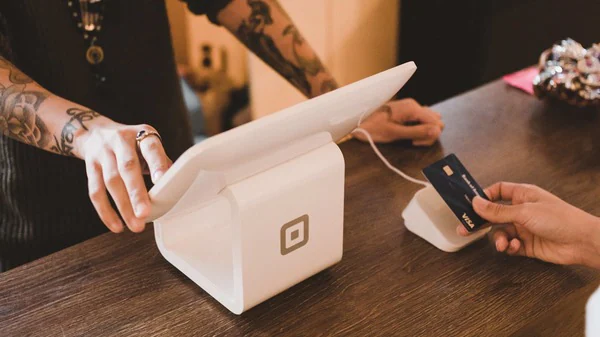
Credit cards are one of the most misunderstood financial tools. For some people, they are helpful and convenient. For others, they become a long-term burden that never seems to end. The difference is not luck. It is understanding.
Many people start using a credit card without knowing how it really works. They enjoy the freedom of buying now and paying later. Over time, small unpaid amounts grow into large bills, and stress slowly builds. Credit cards are not bad, but using them without awareness can quietly damage your finances.
Learning the right way to use a credit card can protect you from debt, stress, and regret.
Why Credit Cards Feel So Easy to Use
Credit cards remove the pain of paying immediately. When you swipe a card, money does not leave your bank account right away. This makes spending feel lighter and easier.
This convenience is exactly why credit cards can become dangerous. You don’t feel the impact of spending until the bill arrives. By then, the money may already be gone.
Understanding this emotional gap is the first step toward using credit cards wisely.
A Credit Card Is Not Extra Income
One of the biggest mistakes people make is treating a credit card like extra salary. The credit limit feels like available money, but it is actually borrowed money.
Every rupee spent on a credit card must be paid back. Forgetting this leads to overspending. When you think of a credit card as delayed cash, not free money, spending naturally becomes controlled.
A credit card should support your budget, not replace it.
Paying the Full Bill Is Non-Negotiable
Paying only the minimum amount due is how people get trapped. Minimum payments keep you safe from late fees, but interest keeps growing quietly in the background.
Once interest starts adding up, it becomes hard to escape. Paying the full bill every month is the golden rule of credit cards.
If you cannot pay the full amount, it means you spent more than you could afford.
Interest Is Small Monthly but Huge Over Time
Credit card interest looks harmless when shown monthly. A small percentage does not feel scary. But over time, this interest adds up to a large amount.
Many people don’t realise how much extra they pay until they calculate the total. Interest rewards banks, not users. Avoiding interest is one of the smartest financial habits you can build.
The safest credit card interest rate is zero — by paying on time.
Using Credit Cards Only for Planned Expenses
Credit cards work best when used for planned spending. Essentials, regular bills, or expenses you already have money for are safer choices.
Using credit cards for impulse purchases increases risk. Emotional spending combined with delayed payment creates regret later.
Before using your card, ask yourself if this expense was planned or emotional.
Keeping Credit Utilisation Low Protects Your Score
Using too much of your credit limit signals risk. Even if you pay on time, high usage can affect your credit score.
A simple rule is to use only a small portion of your total limit. This shows discipline and control. It also leaves room for emergencies.
Low usage keeps your credit healthy and flexible.
One Credit Card Is Often Enough
Many people collect credit cards without understanding the responsibility. Multiple cards increase temptation and confusion.
Managing one card well is better than struggling with many. It builds discipline and simplifies tracking.
You can always add another card later if needed, but control should come first.
Due Dates Should Never Be Missed
Missing a due date hurts more than just your wallet. Late fees, interest, and credit score damage all follow.
Setting reminders or enabling automatic payments helps avoid mistakes. One missed payment can affect your financial record for a long time.
On-time payment builds trust and stability.
Reward Points Should Not Drive Spending
Rewards, cashback, and offers look attractive. Many people spend extra just to earn points.
If you are buying something you wouldn’t normally buy, the reward is not worth it. Rewards should be a bonus, not a reason.
Spend for your needs, not for points.
Credit Cards Can Help Build Credit History
Used correctly, credit cards help build a strong credit profile. Regular usage and full payments show responsibility.
A good credit history helps during loans, emergencies, and future plans. This is one of the positive sides of credit cards.
The same tool that causes trouble can also create opportunity.
Avoid Using Credit Cards for Cash Withdrawals
Cash withdrawals on credit cards attract high fees and immediate interest. Unlike purchases, there is no interest-free period.
This should be avoided unless absolutely necessary. Cash withdrawals quickly increase debt and stress.
Credit cards are designed for spending, not cash borrowing.
Review Statements Every Month
Many people never check their statements properly. Small incorrect charges or unnecessary subscriptions go unnoticed.
Reviewing statements builds awareness and control. It helps you understand spending patterns and avoid mistakes.
This habit keeps your finances clean and organised.
Know When Not to Use a Credit Card
There are times when using a credit card is a bad idea. If you are already carrying unpaid balances, adding more makes things worse.
When finances feel unstable, focus on reducing usage instead of increasing it. Sometimes, not using the card is the smartest decision.
Discipline protects future peace.
Credit Cards Are Tools, Not Lifelines
Credit cards are meant to support convenience, not survival. Using them to cover daily expenses signals a deeper issue.
If you rely on credit cards to survive, it is time to pause and reassess income and expenses. Awareness prevents long-term damage.
Using credit wisely keeps control in your hands.
Final Thoughts
Credit cards are neither good nor bad. They reflect how you use them. With awareness, discipline, and planning, credit cards can be helpful and stress-free.
Without control, they slowly turn into a trap. The difference lies in habits.
Use credit cards as tools, not shortcuts. When you stay in control, they work for you, not against you.





Leave a Reply