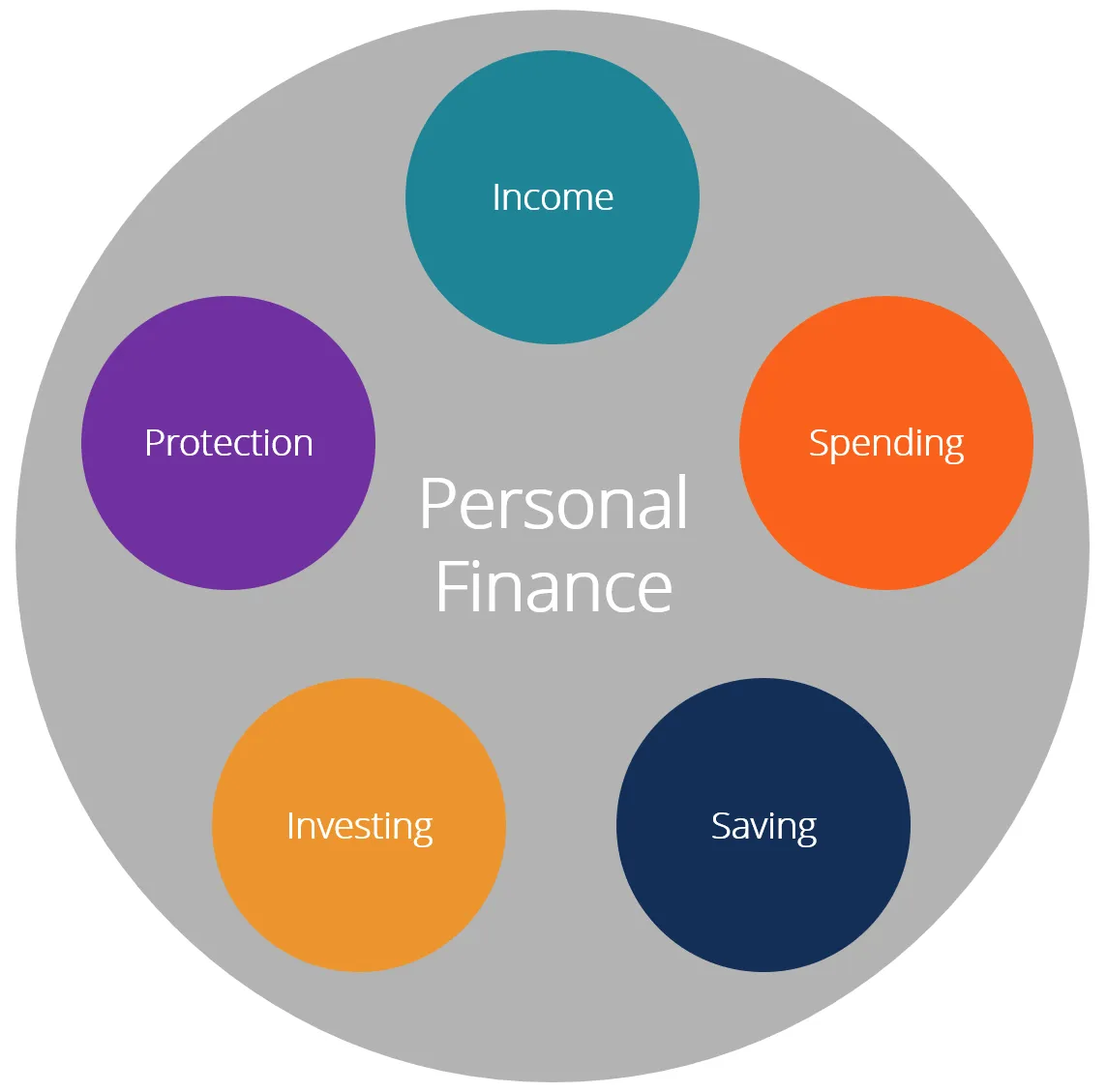
Personal financial planning means managing your money in a smart and organized way. It helps you control how much you earn, how much you spend, and how much you save. Many people earn money every month but still feel stressed because they do not know where their money goes. Financial planning solves this problem. It gives direction to your money and helps you live a peaceful life without constant money worries.
Financial planning is not only for rich people. It is important for students, working professionals, families, and even retired people. No matter how small or big your income is, planning helps you make better decisions. When you manage your income, expenses, and savings properly, you can meet your daily needs, handle emergencies, and achieve future goals like buying a house, educating children, or retiring comfortably.
Understanding your income is the first step in personal financial planning. Income is the money you receive regularly. This may include your salary, business income, freelance earnings, rental income, or any side income. To plan properly, you should clearly know how much money you receive every month. Many people make the mistake of planning their expenses without knowing their exact income. This leads to overspending and debt problems. When you know your income clearly, you can decide how much to spend, how much to save, and how much to invest.
After knowing your income, the next important step is understanding your expenses. Expenses are the money you spend on daily and monthly needs. These include food, rent, electricity bills, school fees, transport, mobile bills, shopping, and entertainment. Some expenses are fixed, like rent and school fees, which stay almost the same every month. Other expenses are variable, like food, travel, and shopping, which change depending on your lifestyle. Many people do not track their expenses and later feel confused about why they have no savings. Tracking expenses helps you see where your money is going and where you can reduce unnecessary spending.
Managing expenses does not mean stopping all enjoyment. It means spending wisely. You should learn the difference between needs and wants. Needs are important things like food, shelter, education, and healthcare. Wants are things like eating outside often, buying expensive gadgets, or shopping without planning. When you control your wants, you automatically save more money. Small changes like cooking at home more often or avoiding impulse shopping can make a big difference in your finances.
Saving money is one of the most important parts of personal financial planning. Savings give you security and confidence. When you save regularly, you are prepared for emergencies like medical issues, job loss, or urgent repairs. Many people try to save whatever is left at the end of the month, but usually nothing is left. A better method is to save first and spend later. As soon as you receive your income, set aside a fixed amount for savings. Even a small amount saved regularly can grow into a big fund over time.
An emergency fund is an important part of savings. It is money kept aside only for emergencies. This fund should ideally cover at least three to six months of your basic expenses. Having an emergency fund protects you from taking loans or using credit cards during difficult times. It gives peace of mind and financial stability. You should keep this money in a place where it is safe and easy to access when needed.
Budgeting plays a big role in managing income, expenses, and savings. A budget is a simple plan that shows how you will use your money every month. It helps you stay in control and avoid overspending. When you create a budget, you decide in advance how much money will go towards expenses, savings, and other goals. A good budget is realistic and flexible. It should match your income and lifestyle. You should review your budget regularly and make changes if needed.
Financial goals give purpose to your money. Without goals, saving becomes boring and difficult. Goals can be short-term, like buying a phone or going on a trip, medium-term, like buying a car, or long-term, like retirement or children’s education. When you set clear financial goals, you feel motivated to save and spend wisely. Goals help you stay focused and avoid unnecessary expenses.
Debt management is also an important part of personal financial planning. Many people use loans and credit cards for convenience, but poor management can lead to stress. High-interest debt can quickly reduce your savings and income. You should avoid taking unnecessary loans and always try to pay dues on time. If you already have loans, focus on paying high-interest loans first. Keeping debt under control improves your financial health and helps you save more.
Good financial habits make personal financial planning successful. These habits include tracking expenses, saving regularly, avoiding impulse purchases, and reviewing finances often. Habits take time to build, but once formed, they make money management easy. Financial discipline is more important than high income. Even people with modest income can build wealth with good habits, while high earners may struggle without planning.
Technology has made financial planning easier than ever. Today, you can use simple apps or spreadsheets to track income and expenses. These tools help you see your spending patterns and savings growth. When you see your progress, you feel encouraged to continue. However, even writing expenses in a notebook works well. The method does not matter as much as consistency.
Teaching financial planning to children is also important. When children learn the value of money early, they grow up to be responsible adults. Simple lessons like saving a part of pocket money or understanding needs and wants can build strong financial habits. Family discussions about money should be open and positive, without fear or stress.
Personal financial planning is not a one-time activity. It is an ongoing process. Your income, expenses, and goals change with time. Marriage, children, job changes, and retirement all affect your finances. You should review your financial plan at least once or twice a year. Regular review helps you stay on track and adjust to new situations.
Many people delay financial planning because they feel it is complicated. In reality, it is very simple. It starts with knowing your income, tracking your expenses, and saving regularly. You do not need expert knowledge or complex calculations. Simple steps done consistently give powerful results. Starting early gives you more benefits, but it is never too late to start.
In conclusion, personal financial planning helps you take control of your money and your life. It reduces stress, improves confidence, and helps you achieve your dreams. By managing income wisely, controlling expenses, and saving regularly, you build a strong financial foundation. Financial planning brings stability today and security for the future. Start small, stay consistent, and watch your financial life improve step by step.





Leave a Reply